If you went to school a few years ago, chances are you remember how learning worked. The teacher explained, you took notes, you memorised… and then you sat for an exam.
For a long time, that system worked, at least on paper.
But here’s the honest question:
Is that enough for the kind of world our children are growing up in today?
Because the truth is, the world has changed. And learning needs to change with it.
Let’s be clear, foundational learning still matters. Reading, writing, understanding concepts… these are important.
But many of us have seen it firsthand. A child can memorise everything for an exam… and forget it a few weeks later. Or score highly in class… but struggle to apply that same knowledge in real life.
That’s where the gap is. It’s not about how much a child can remember, it’s about what they can actually do with what they’ve learned.
Think about how different things are today.
Information is everywhere. Children don’t need to memorise everything, they can access it instantly. What they really need is the ability to think, question, and make sense of that information.
They need to be able to solve problems, communicate their ideas, and adapt when things don’t go as planned.
These are the skills that matter now.
And they’re not built through memorisation alone.
As parents and teachers, we often focus on what happens in school.
But if you think about it, some of the most important lessons children learn don’t come from a textbook.
They come from everyday experiences.
Figuring something out on their own.
Working with others.
Making mistakes and trying again.
That’s real learning.
And it doesn’t only happen between 8am and 3pm.
Now, let’s talk about something many parents worry about — screens.
It’s a valid concern. Not all screen time is helpful.
But not all of it is harmful either.
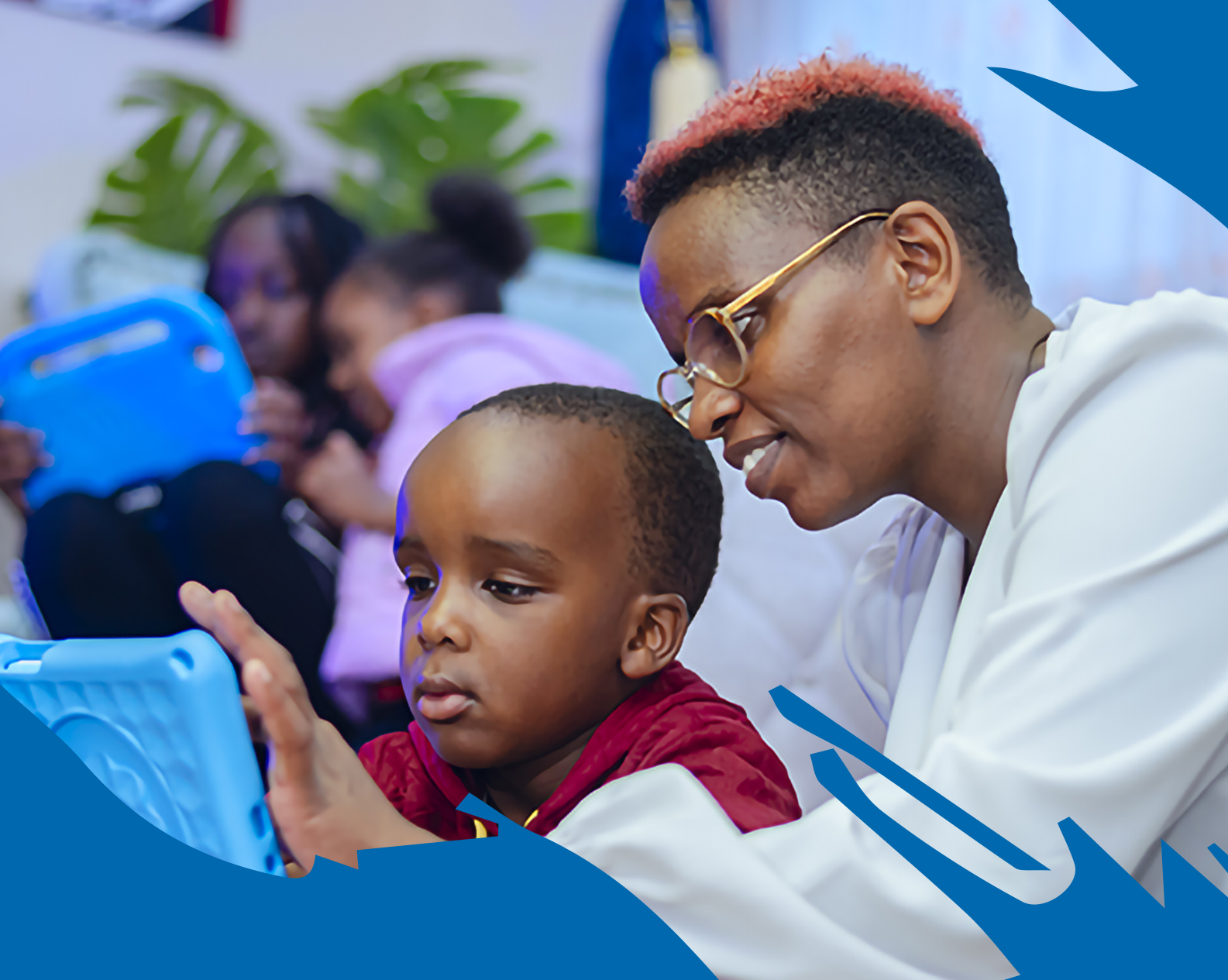
When used intentionally, technology can actually support the kind of learning children need today. It can make lessons more engaging, help children practice what they’ve learned, and even guide them as they learn independently.
The key is how it’s used.
As a parent or teacher, it’s easy to feel like you need to do more.
More supervision.
More teaching.
More control.
But the goal isn’t to add pressure, it’s to create the right environment.
An environment where a child can explore, practice, and build confidence on their own.
That’s where tools designed for learning, like ElimuTab, come in.
Instead of children using devices just for entertainment, they’re guided towards content that actually supports their growth. Whether it’s reinforcing what they learned in school or helping them develop new skills, it becomes part of their everyday learning journey.
Not forced. Not overwhelming. Just naturally integrated into their day.
It means we don’t have to abandon traditional learning.
But we do need to expand it.
We need to give children opportunities to:
Because that’s what prepares them for life — not just exams.
At the end of the day, every parent and teacher wants the same thing:
To see children grow into capable, confident individuals.
And that doesn’t come from memorising the right answers.
It comes from understanding, exploring, and learning how to learn.
That’s the kind of education that truly lasts.
Thank you for choosing ElimuTab as your educational tablet ,projectors, interactive whiteboard, laptops and edtech content provider in Kenya. If you have any additional questions or concerns, please do not hesitate to contact us.
Added to cart
Check out our shop to see what's available
Need help?Just message us!