The Shift From Buzzword to Breakthrough
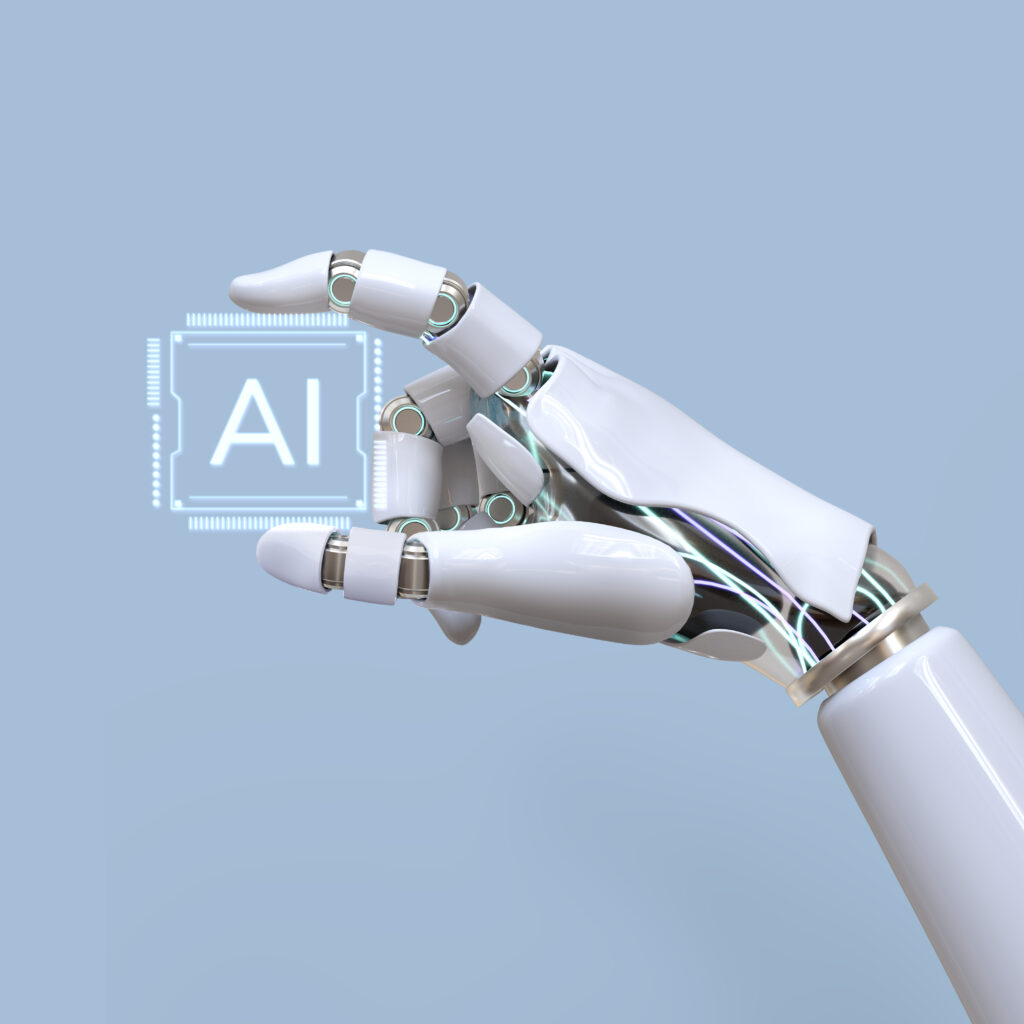
In recent years, “Artificial Intelligence” has become one of education’s favorite buzzwords. But behind the hype lies a profound transformation — one that is redefining how students learn, teachers teach, and schools operate.
The AI revolution in personalized learning isn’t about replacing teachers or standardizing classrooms. It’s about humanizing education — using intelligent systems to understand, adapt to, and support each learner’s unique journey.
At Elimutab, we’ve witnessed this evolution firsthand. Through AI-powered insights and CBC-aligned content, we’re helping schools unlock the full potential of personalized, inclusive education.
Traditional classrooms often assume that all learners progress at the same pace — but reality tells a different story. Some students race ahead, while others need more time or different learning approaches.
AI technology helps bridge this gap. By analyzing each student’s performance data, AI-driven platforms can:
This is personalized learning at scale — something once impossible without technology.
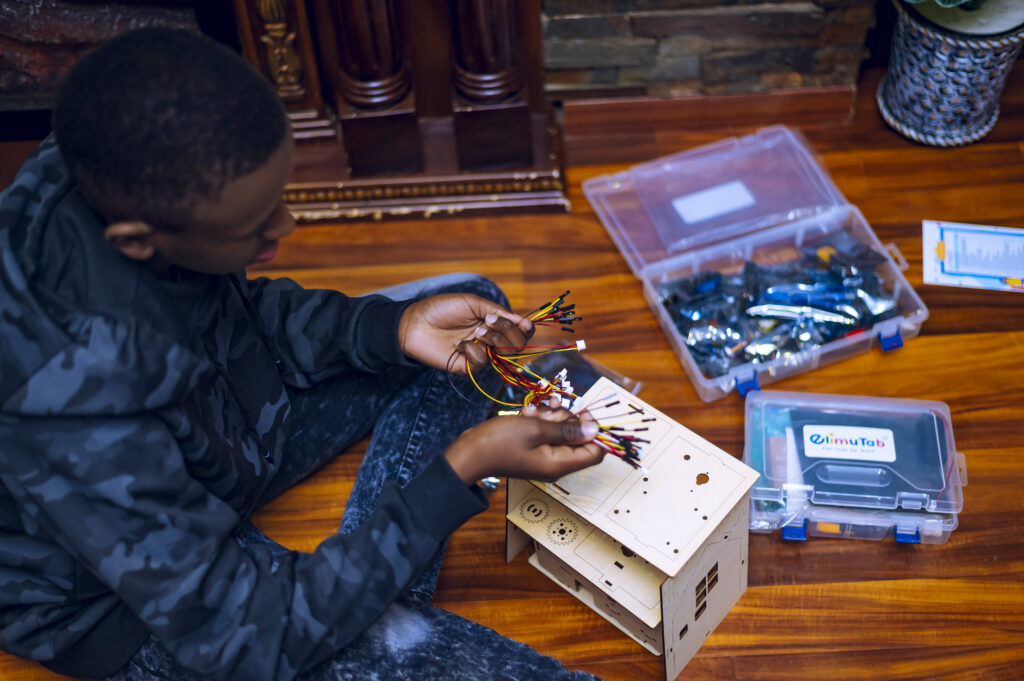
At the heart of the AI revolution in personalized learning lies adaptive learning technology. These intelligent systems track each learner’s progress and tailor lessons dynamically.
For example:
This adaptability not only improves learning outcomes but also boosts confidence — because every child feels seen and supported.
Elimutab’s educational tablets are designed with these adaptive features, helping learners build mastery through personalized digital experiences aligned with the Competency-Based Curriculum (CBC).

AI isn’t here to take over classrooms — it’s here to empower educators.
Teachers spend countless hours grading, preparing lessons, and managing diverse learning needs. AI tools can streamline these tasks by:
This means teachers have more time to focus on mentorship and creativity — the human aspects of teaching that no algorithm can replicate.
At Elimutab, we see AI as a partner in pedagogy, not a replacement.

AI systems give students instant feedback, transforming learning from a one-way lecture into an interactive dialogue.
Whether it’s a spelling quiz, math challenge, or coding project, learners receive immediate responses that guide improvement — reducing frustration and reinforcing motivation.
For teachers, this data is gold. It provides deep insight into how students think, struggle, and succeed — helping educators adjust their approach in real time.
Elimutab’s learning platform integrates similar feedback loops, turning each tablet into a personalized learning assistant.
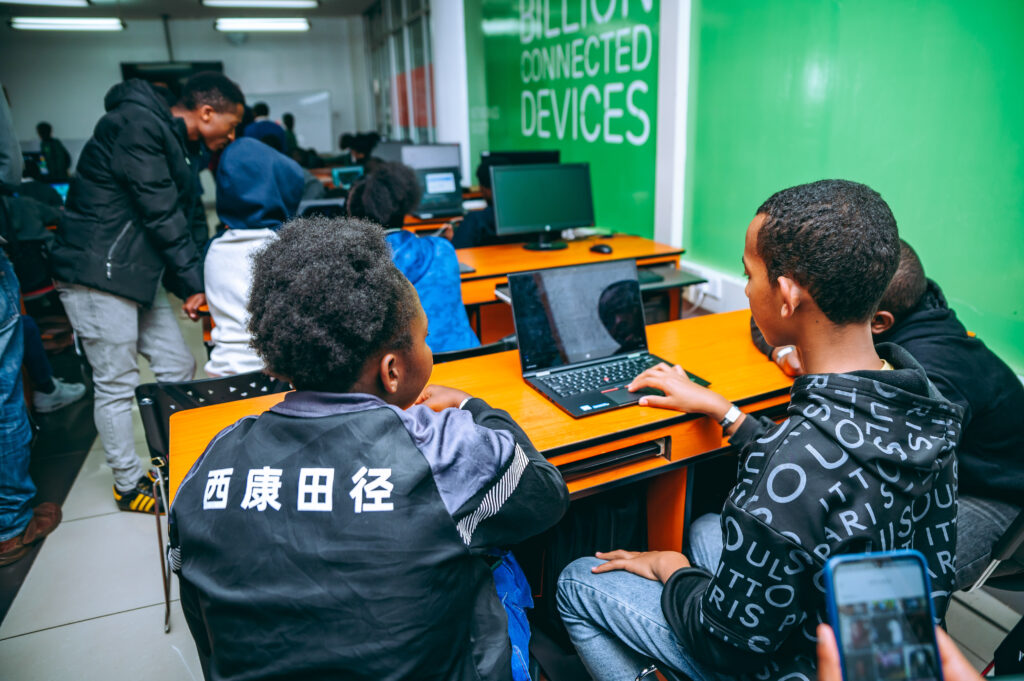
Behind the scenes, AI continuously collects and analyzes thousands of micro-data points — from quiz performance to engagement patterns.
This data doesn’t just measure learning; it illuminates it. Teachers can:
This data-driven visibility is one of the most powerful outcomes of the AI revolution in personalized learning — and it’s shaping education systems worldwide.
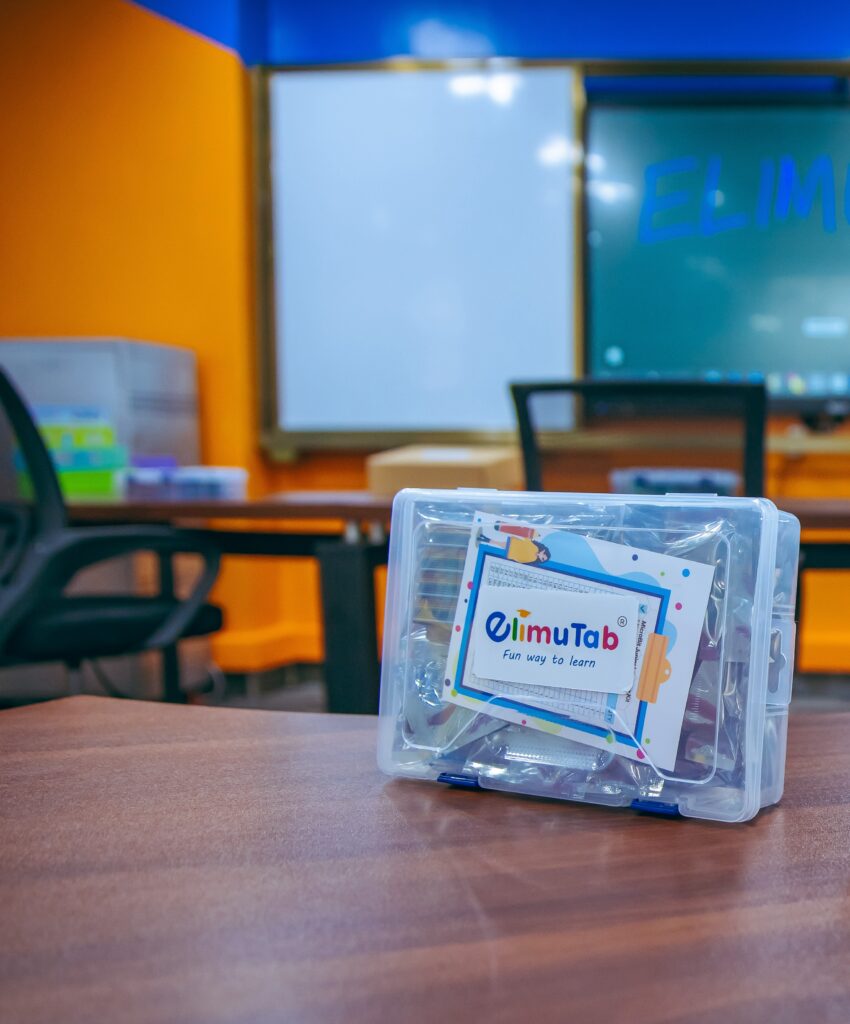
One of AI’s greatest promises lies in its ability to make learning more inclusive.
Through features like speech recognition, real-time translation, and visual learning support, AI bridges barriers for students with disabilities or language differences.
Elimutab’s vision aligns perfectly with this principle. Our tablets are designed to ensure every child, regardless of background or ability, can access quality learning experiences — online or offline.
The next phase of AI isn’t just about algorithms — it’s about empathy.
AI systems are beginning to detect emotional cues, adjusting tone, difficulty, or encouragement based on how students respond.
Imagine a learning assistant that recognizes when a child is frustrated and responds with patience or motivation. This blend of cognitive and emotional intelligence represents the true future of personalized learning.

No revolution comes without challenges. As AI becomes embedded in education, we must address:
Elimutab remains committed to responsible AI — focusing on transparency, safety, and collaboration between educators, parents, and technology.
Africa’s education systems face unique challenges — from limited resources to uneven connectivity. Yet these challenges also present unparalleled opportunities for innovation.
AI-powered tools can help bridge gaps in teacher availability, curriculum consistency, and individualized attention.
With Elimutab’s affordable and offline-capable educational devices, the AI revolution becomes not just accessible, but scalable — transforming classrooms across Kenya and beyond.
Ultimately, the AI revolution in personalized learning is not about technology — it’s about people.
It’s about giving every child a fair chance to learn, every teacher a better way to teach, and every community a stronger foundation for growth.
AI is simply the bridge — Elimutab is helping build the path across it.
Artificial Intelligence is changing education faster than we ever imagined. But beyond algorithms and automation, the real transformation lies in connection — understanding each learner’s story and adapting to their journey.
At Elimutab, we believe that personalized learning powered by AI isn’t a trend — it’s the future.
👉 Visit our website www.elimutab.co.ke today to discover how Elimutab’s AI-driven educational tablets and smart learning tools are helping shape the classrooms of tomorrow.