
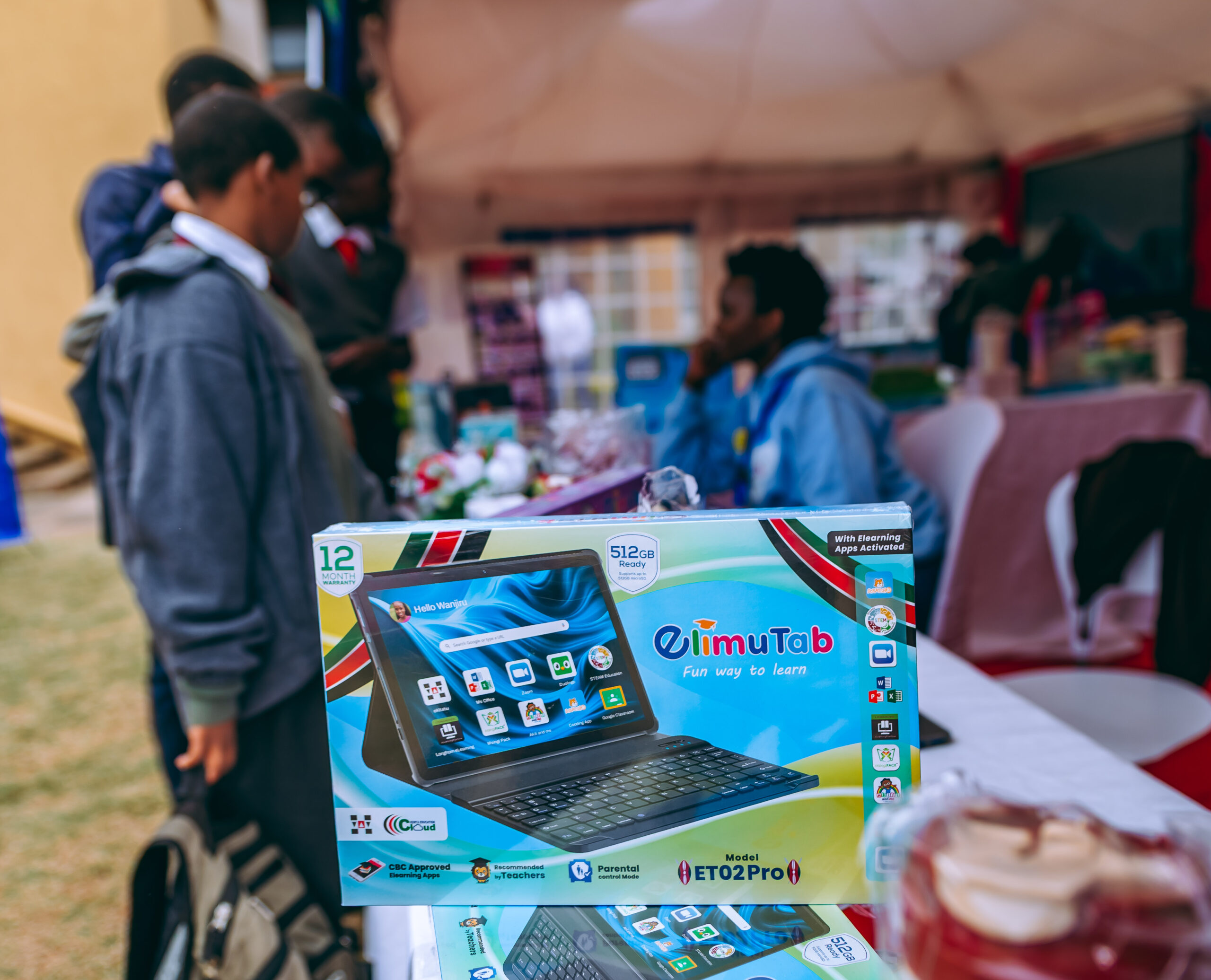
Education has evolved more in the past five years than in the previous fifty. As digital transformation sweeps through every sector, the EdTech industry stands at the heart of this revolution.
So, what will 2026 bring the EdTech sector?
In short — smarter classrooms, deeper personalization, and greater accessibility powered by innovation.
As we approach a new chapter, companies like Elimutab are not just observing change — they’re driving it.

In 2026, the classroom will no longer be confined by walls or limited by chalkboards. Instead, interactive smart screens and educational tablets will anchor learning in both schools and homes.
These devices are enabling:
This shift from “learning through” to “learning with” technology is what defines the next era of education.
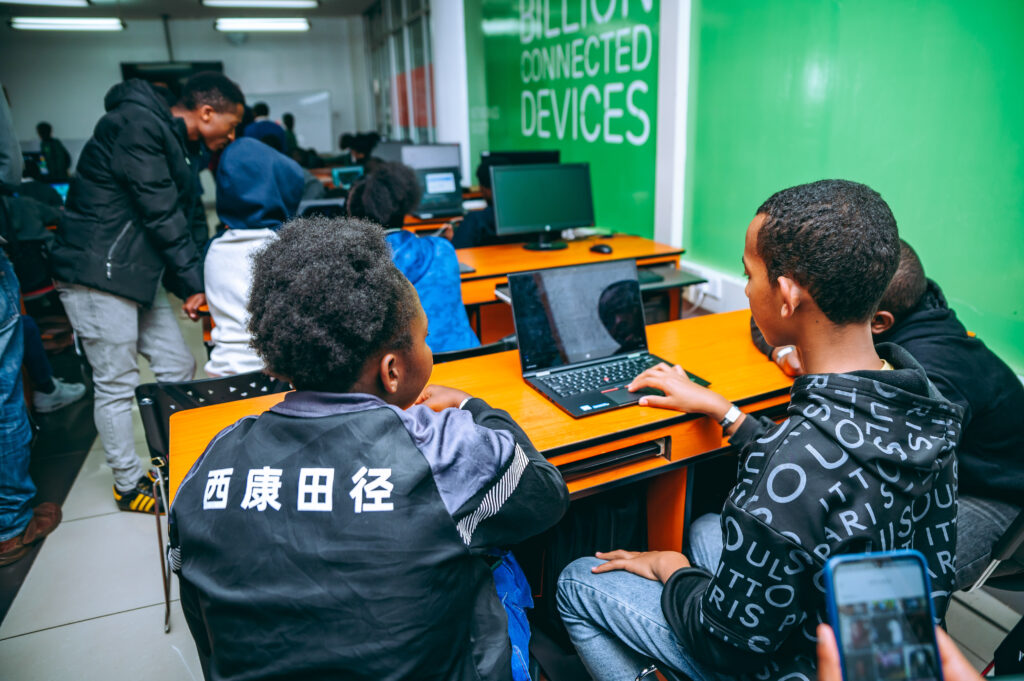
Artificial Intelligence is no longer a futuristic buzzword — it’s a classroom reality.
By 2026, AI-driven platforms will play a central role in:
For instance, Elimutab’s ecosystem already integrates AI-powered learning insights, helping teachers and parents track progress and customize instruction.
The goal is not to replace educators — but to empower them with data-driven tools that make learning more effective and inclusive.
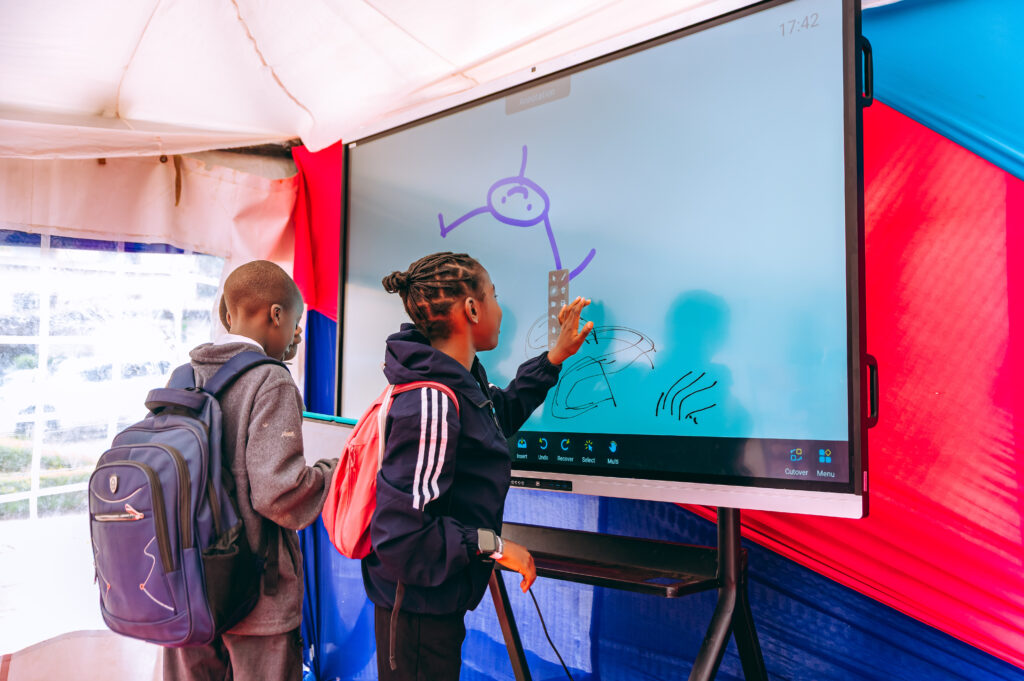
The COVID-19 pandemic redefined education, making digital learning a permanent part of the system. By 2026, hybrid learning models — blending in-person and online education — will dominate.
Students will move fluidly between physical classrooms and digital platforms, supported by smart devices and interactive systems.
For countries like Kenya, this hybrid model bridges the urban-rural divide, ensuring equitable access to quality education through technology like Elimutab Smart Screens and STEM-aligned apps.

2026 will see a shift from rote learning to skills-based education.
Employers are prioritizing critical thinking, creativity, and collaboration — not just grades. EdTech will respond with platforms that teach coding, design, communication, and digital literacy from an early age.
Elimutab’s bootcamps and hackathons already champion this approach, helping learners develop practical skills that prepare them for the real world.
By focusing on “learning how to learn,” technology becomes not just a tool — but a mindset.
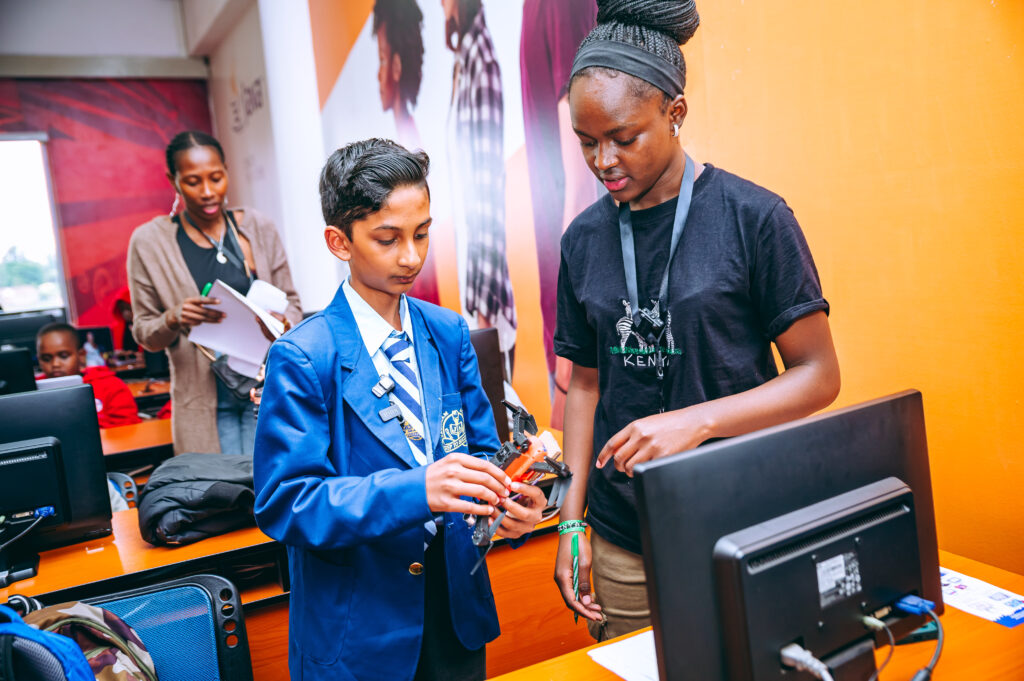
Education data is the new oil — and in 2026, analytics will guide everything from lesson planning to curriculum design.
Schools will increasingly rely on dashboards and AI systems to analyze learning patterns, measure engagement, and predict academic outcomes.
For parents and teachers, this means smarter insights, faster interventions, and improved collaboration — all supported by Elimutab’s intelligent learning tools.

Even as technology advances, access remains a global challenge. By 2026, the EdTech sector must ensure no learner is left behind.
Initiatives like affordable tablets, community learning hubs, and offline-first apps will be crucial for inclusion.
Elimutab’s focus on accessible devices, even in areas with limited connectivity, shows how innovation can drive equality — not inequality.
Education isn’t truly transformed until it reaches every child, everywhere.
Gamification and immersive technologies like Virtual Reality (VR) and Augmented Reality (AR) are turning traditional lessons into adventures.
By 2026, students will explore the solar system in 3D, conduct chemistry experiments virtually, and engage in historical re-enactments — all through gamified learning platforms.
Elimutab’s gamified modules and interactive STEM content are paving the way for this immersive shift — keeping learning both fun and effective.

Teachers remain the cornerstone of education. In 2026, EdTech’s role will be to support, not substitute, educators.
With tools like smart lesson planners, automated assessments, and real-time analytics, teachers can focus more on mentorship and less on manual tasks.
Elimutab’s teacher support tools help educators integrate tech seamlessly into CBC classrooms — enhancing engagement and performance alike.
As the world becomes increasingly digital, EdTech companies have a duty to prepare learners for tomorrow’s economy.
By 2026, demand will surge for digital skills such as:
Elimutab Bootcamps and partnerships with institutions like Strathmore University exemplify how early tech exposure creates future innovators.

The EdTech landscape of 2026 won’t thrive on competition alone — it will grow through collaboration.
Partnerships between educators, governments, startups, and parents will shape a shared vision: education that empowers.
Elimutab continues to collaborate with schools and communities to make this vision a reality — one classroom at a time.
So, what will 2026 bring the EdTech sector?
A smarter, more inclusive, and deeply connected world of learning — powered by innovation, guided by empathy, and driven by purpose.
For Elimutab, the journey continues: building tools that inspire creativity, foster innovation, and make learning accessible to every child.
👉 Visit our website www.elimutab.co.ke today to explore how Elimutab’s educational tablets and smart screens are shaping the future of learning in Kenya and beyond.