
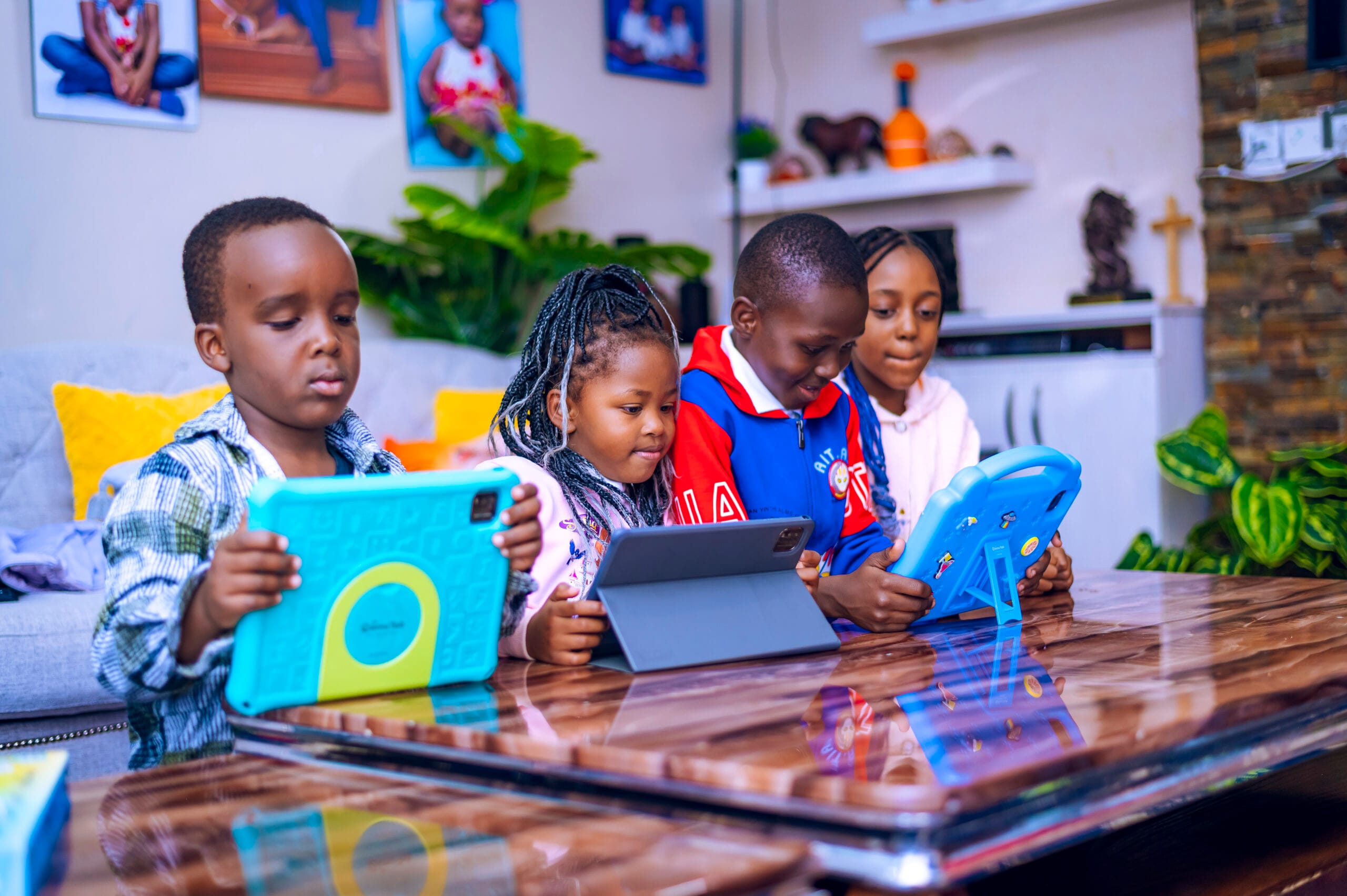
Many parents today feel guilty about giving children screens.
You see it everywhere, warnings about too much screen time, stories about distracted children, and endless advice telling parents to “reduce devices.”
So naturally, many parents begin to worry.
“Am I giving my child too much screen time?”
“Are screens affecting their development?”
“Should I be taking devices away completely?”
But what if the issue isn’t the screen itself , but what children are doing on it?
Because not all screen time is the same.
There’s a big difference between a child mindlessly consuming content for hours and a child actively learning, creating, solving problems, and exploring ideas through technology.
And understanding that difference changes everything.
The Problem Isn’t Always the Screen
Let’s be honest.
Screens have become part of everyday life. Children see technology everywhere — at school, at home, and even in the hands of adults around them.
Completely avoiding screens is becoming less realistic.
The real challenge is making sure children use technology in healthy, meaningful ways.
A child endlessly scrolling through fast-paced videos experiences screen time very differently from a child interacting with educational games, creative activities, or guided learning content.
One leaves the mind passive.
The other keeps the mind engaged.
Good Screen Time
Bad Screen Time
- They think
- They respond
- They experiment
- They solve problems
- passive
- repetitive
- overstimulating
- purely for endless entertainment.
Good screen time feels different. Instead of simply consuming content, children participate. A child playing an educational game that encourages counting, memory, creativity, or critical thinking is actively using their brain.The experience becomes interactive instead of passive.
And because children naturally learn through play, this kind of engagement can actually support development in powerful ways.
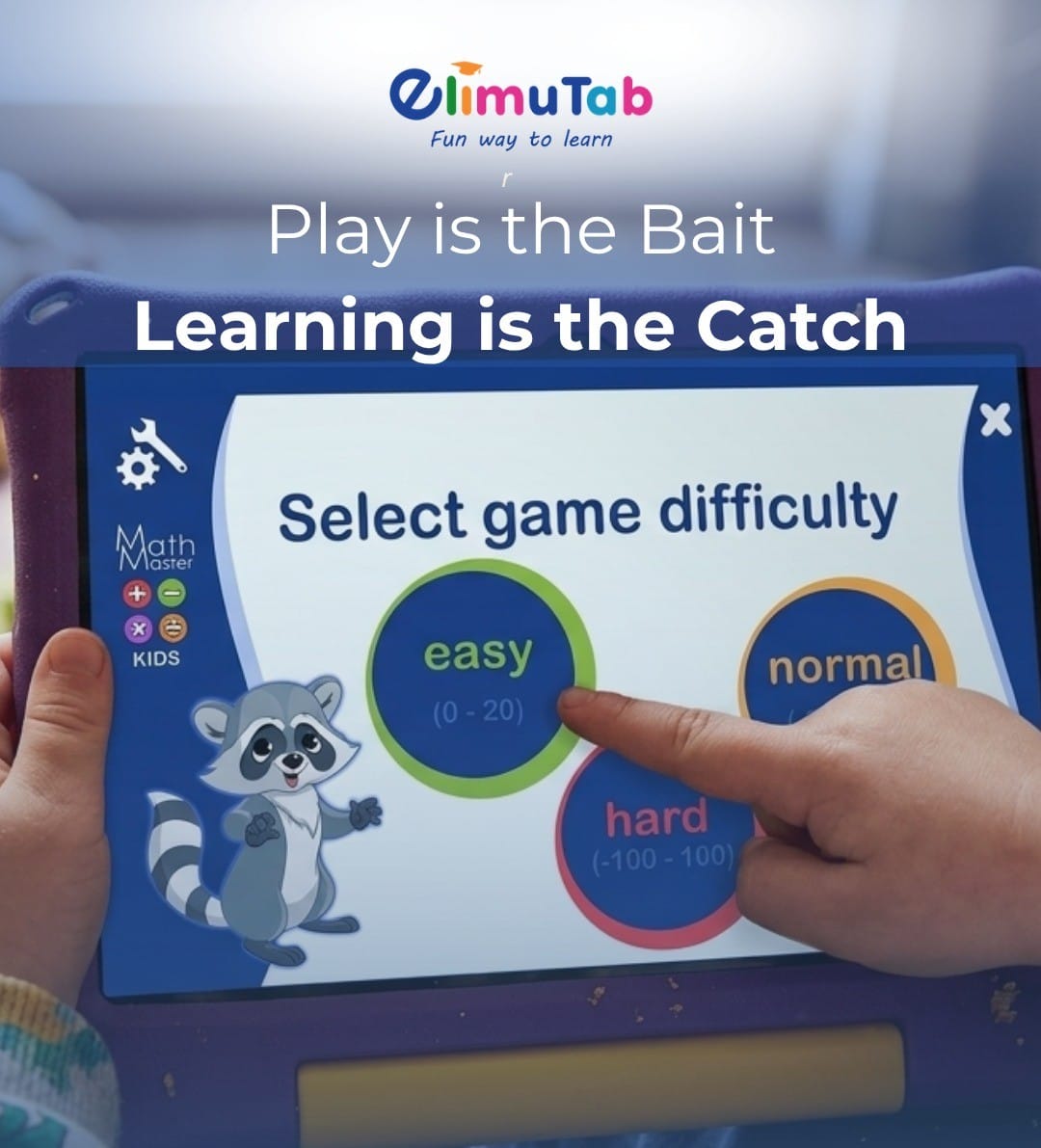
How elimuTab Encourages Purposeful Screen Time
At elimuTab, we understand that parents don’t just want children to spend time on screens, they want that time to be meaningful.
That’s why ElimuTab comes loaded with fun, interactive educational games and learning content designed to keep children both engaged and mentally active.
As children play, they are also:
- building memory skills,
- strengthening concentration,
- practising problem-solving,
- and reinforcing what they learn in school
Of course, even good screen time should exist alongside other important experiences.
Children still need:
- outdoor play,
- social interaction,
- creativity away from screens,
- and quality time with family.
Healthy digital habits are all about balance.
Technology should be one tool among many, not the centre of a child’s world.